SCIENTIFIC PUBLICATIONS
Hartman, S. (2020). Constraining torso dimensions in Mesozoic archosaurs. Part of PhD dissertation.
Hartman, S. (2020) Thermal ecology of terrestrial amniotes during the End Triassic Extinction. Part of PhD dissertation.
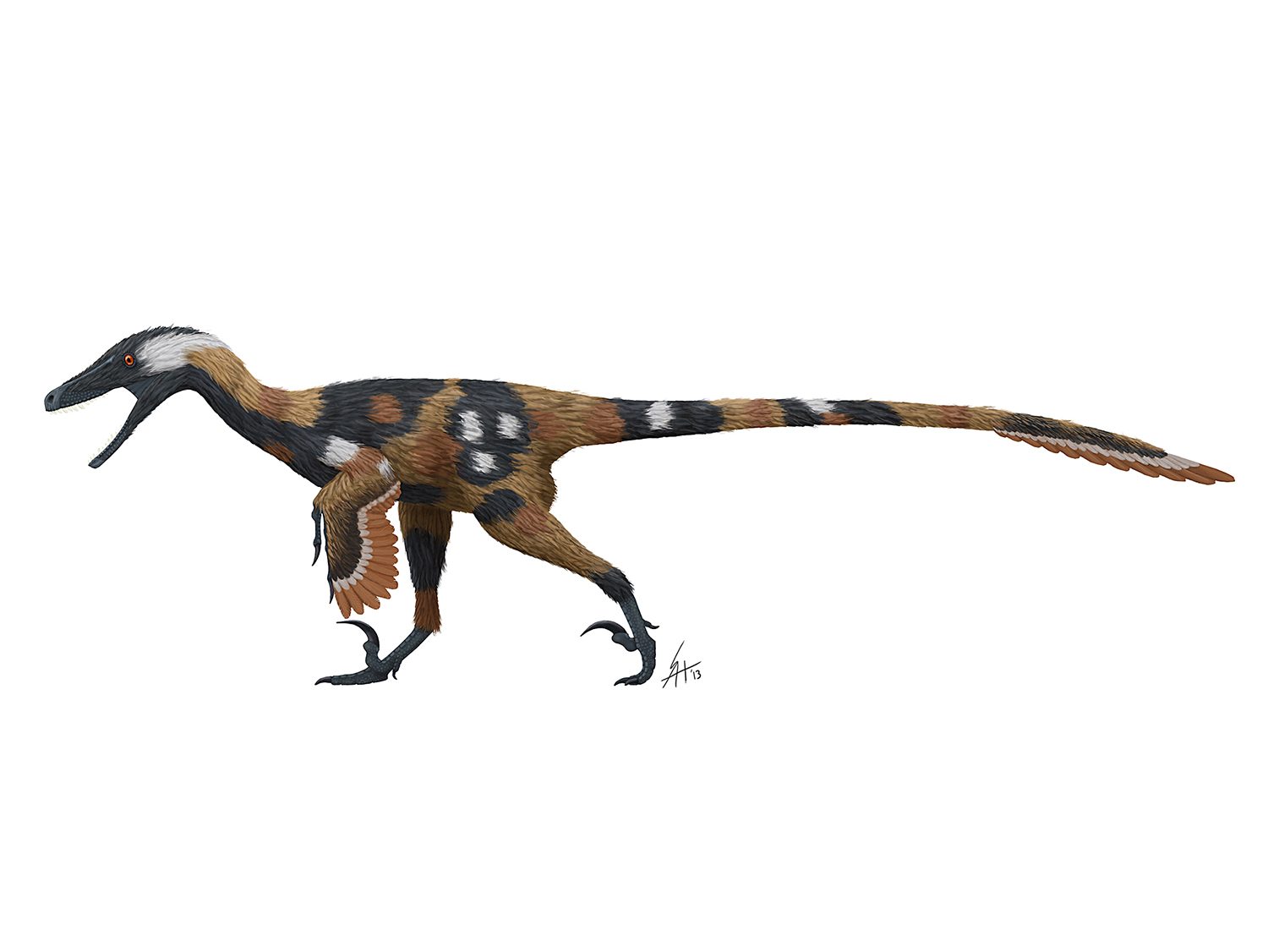
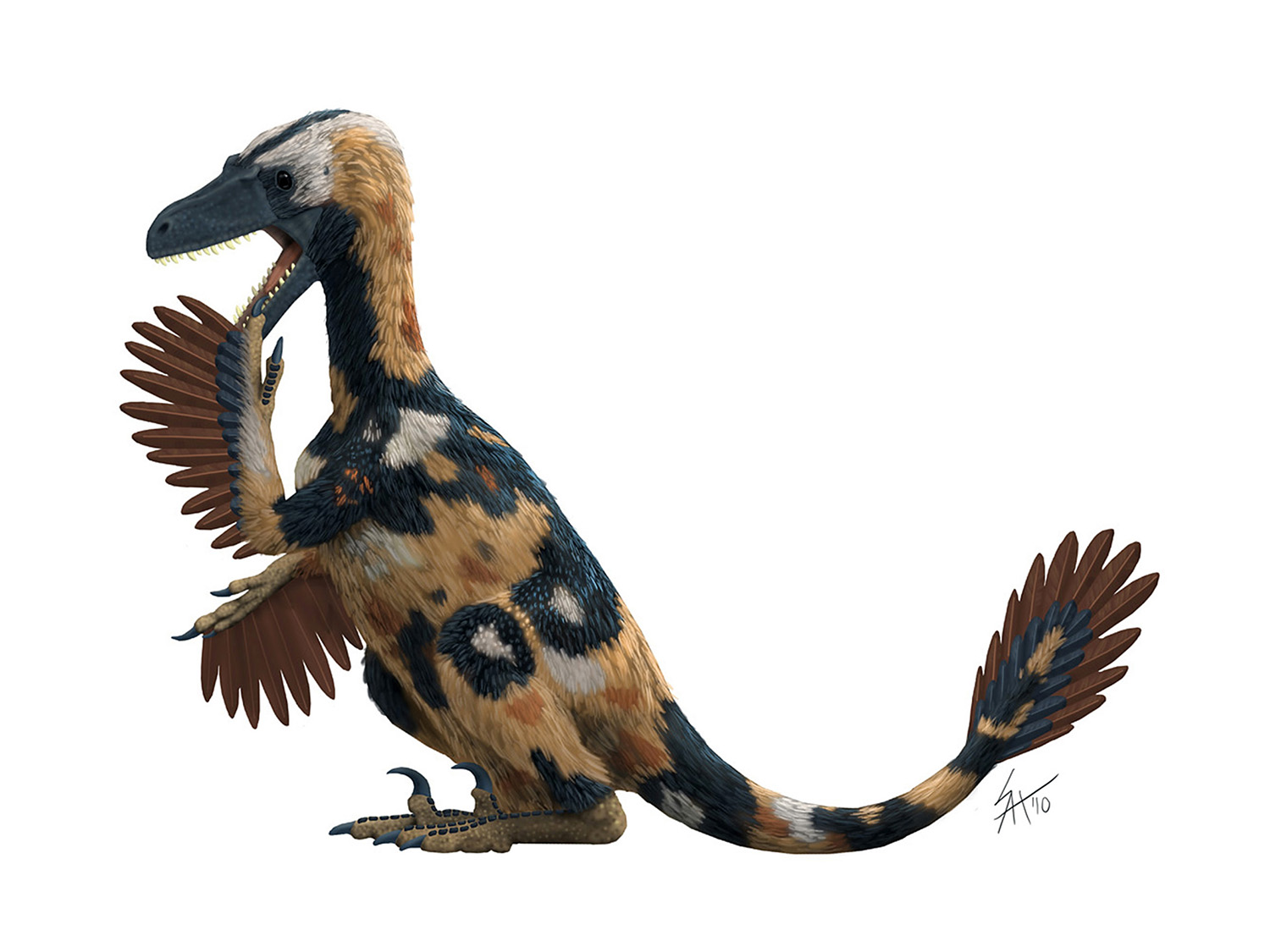
Hartman S, Mortimer M, Wahl WR, Lomax DR, Lippincott J, Lovelace DM. 2019. A new paravian dinosaur from the Late Jurassic of North America supports a late acquisition of avian flight. PeerJ 7:e7247 https://doi.org/10.7717/peerj.7247
Wang, X., Pittman, M., Zheng, X., Kaye, T. G., Falk, A. R., Hartman, S. A., & Xu, X. 2017. Basal paravian functional anatomy illuminated by high-detail body outline. Nature Communications, 8, 14576.
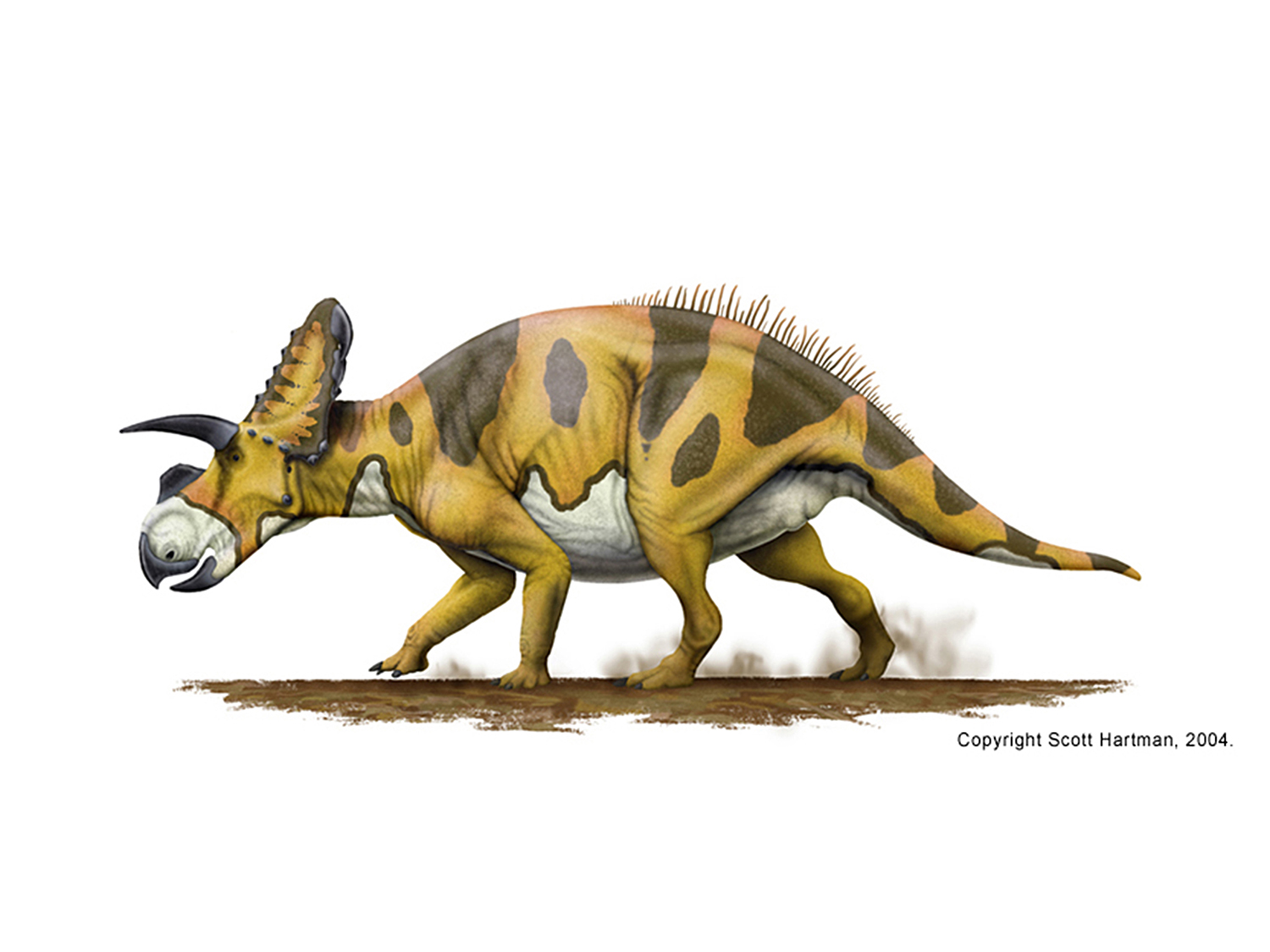
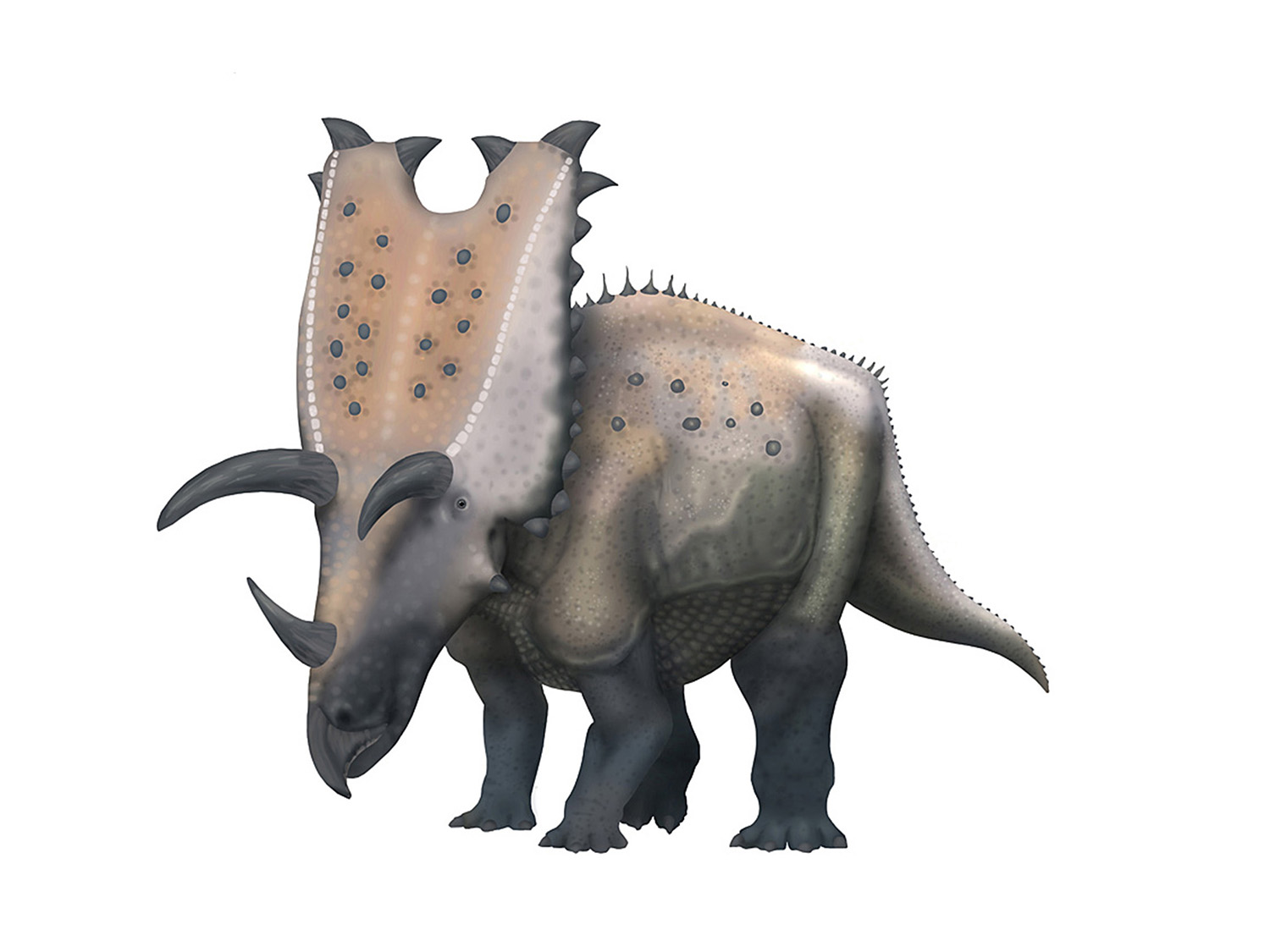
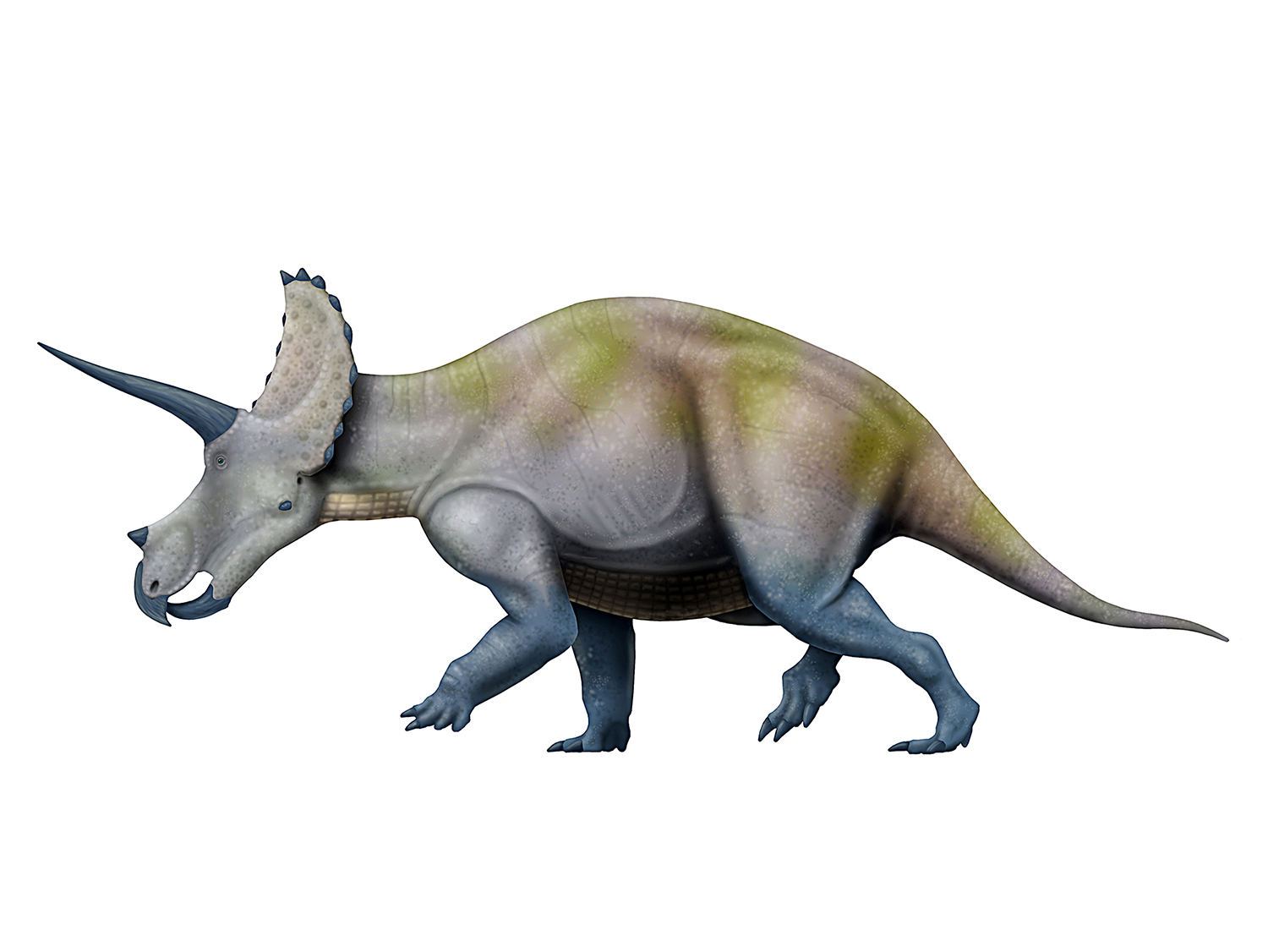
Ryan, M. J.; Russell, A. P., and Hartman, S. 2010. A New Chasmosaurine Ceratopsid from the Judith River Formation, Montana, In New Perspectives on Horned Dinosaurs: The Royal Tyrrell Museum Ceratopsian Symposium (Ryan, Chinnery-Allgeier, & Eberth eds), Indiana University Press, 656 pp
Mayr, G., Pohl, B., Hartman, S., & Peters, S. 2007. The tenth skeletal specimen of Archaeopteryx, Zoological Journal of the Linnean Society V. 149, pp. 97-116
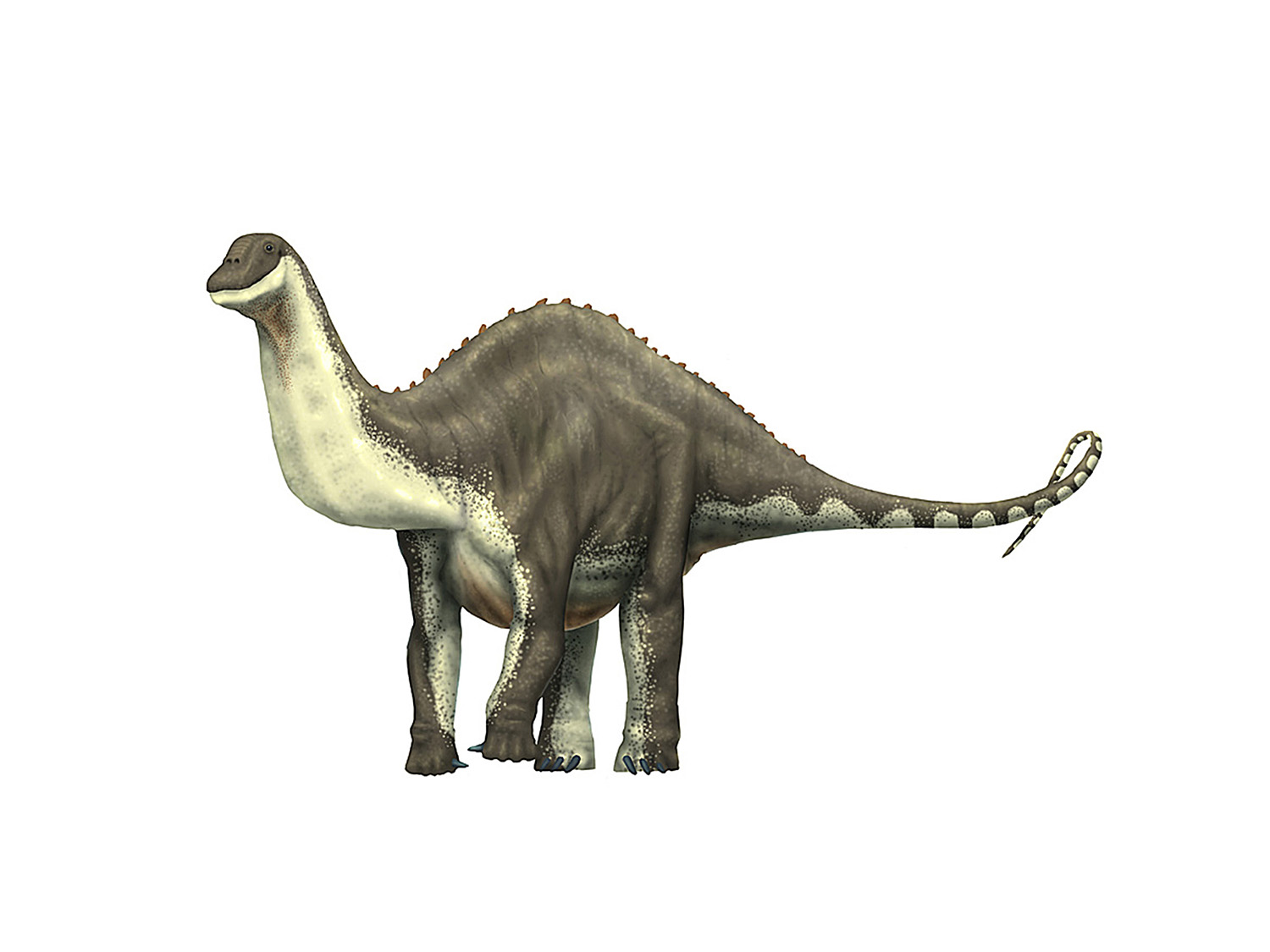
Lovelace, D. M., Hartman, S. A. & Wahl, W. R. 2007. Morphology of a specimen of Supersaurus (Dinosauria, Sauropoda) from the Morrison Formation of Wyoming, and a re-evaluation of diplodocid phylogeny. Arquivos do Museu Nacional, Rio de Janeiro 65, 527-544
Wegweiser, M. D., Hartman, S. A., and Lovelace, D. M. 2006. Duckbill dinosaur chin skin scales: Ups, downs, and arounds of surficial morphology of Upper Cretaceous Lance Formation dinosaur skin. Late Cretaceous vertebrates from the Western Interior (Lucas & Sullivan eds). NMMNH Bulletin 35. pp. 119-125
CONFERENCE PRESENTATIONS
Dececchi, T., Habib, M. B., Hartman, S., Larsson, H., & Pittman, M. 2025. Transition from Occasional to Habitual Theropod Flyers: Origin of Regular Flight Use in Early Birds and Their Close Relatives. International Congress of Vertebrate Morphology.
Hartman, S. 2021. Thermal ecology drove survivorship patterns of terrestrial vertebrates across the End Triassic Extinction, Triassic Vertebrate Paleontology Meetup 2021.
Whisenant, J., Kufner, A., Hartman, S. 2021. A Clarification of Rabbit Shoulder Musculature for Teaching Functional Anatomy, Experimental Biology Conference 2021, AAA.
Hartman, S. & Fitch, A. 2021. Operationalizing a Late Origin of Avian Flight, Northeast Natural History Conference.
Hartman, S., Mortimer, M., Lovelace, D. 2018. A testable macroevolutionary framework for character acquisition in the origin of avian flight. In Annual Meeting of the Society of Vertebrate Paleontology, SVP 2018.
Hartman, S., Mortimer, M., Wahl, W., Lomax, D., & Lovelace, D. 2017. New information on a paravian theropod from the Morrison Formation. In Annual Meeting of the Society of Vertebrate Paleontology, SVP 2017.
Hartman, S. 2016. Mechanistic physiological modelling predicts geographic distribution of Late Triassic tetrapods. In Annual Meeting of the Society of Vertebrate Paleontology, SVP 2016.
Kaye, T. G., Pittman, M. D., Wang, X. L., Zheng, X. T., Xu, X., Hartman, S., & Falk, A. 2016. Nothing but skin and bones: Anchiornis body outline revealed by laser fluorescence. In Annual Meeting of the Society of Vertebrate Paleontology, SVP 2016.
Hartman, S., Lovelace, D., & Linzmeier, B. J. 2015. Using ecological modelling to quantify thermal constraints on two Late Triassic dinosaurs. Journal of Vertebrate Paleontology. Vol. 35, online supplement.
Hartman, S. 2007. Re-evaluating wing shape in Archaeopteryx: Information from the Thermopolis specimen. Journal of Vertebrate Paleontology, Vol. 27, Supplement to No. 3.
Hartman, S., & Shinkle, L. 2006. Estimating osteological neutral position in sauropod axial skeletons: Comparing two-dimensional and three-dimensional methods of analysis. Journal of Vertebrate Paleontology, Vol. 26, Supplement to No. 3.
Shinkle, L. & Hartman, S. 2006. Utilizing 3d laser scans and commercially available software to create and analyze virtual morphological data sets. Journal of Vertebrate Paleontology, Vol. 26, Supplement to No. 3.
Hartman, S. 2005. Estimating Ancestral Habitat and Selective Pressures Leading to the Origin of Avian Flight. II Latin American Congress of Vertebrate Paleontology.
Hartman, S., Lovelace, D., & Wahl, W. 2005. Phylogenetic assessment of a maniraptoran from the Morrison Formation. Journal of Vertebrate Paleontology, Vol. 25, Supplement to No. 3.
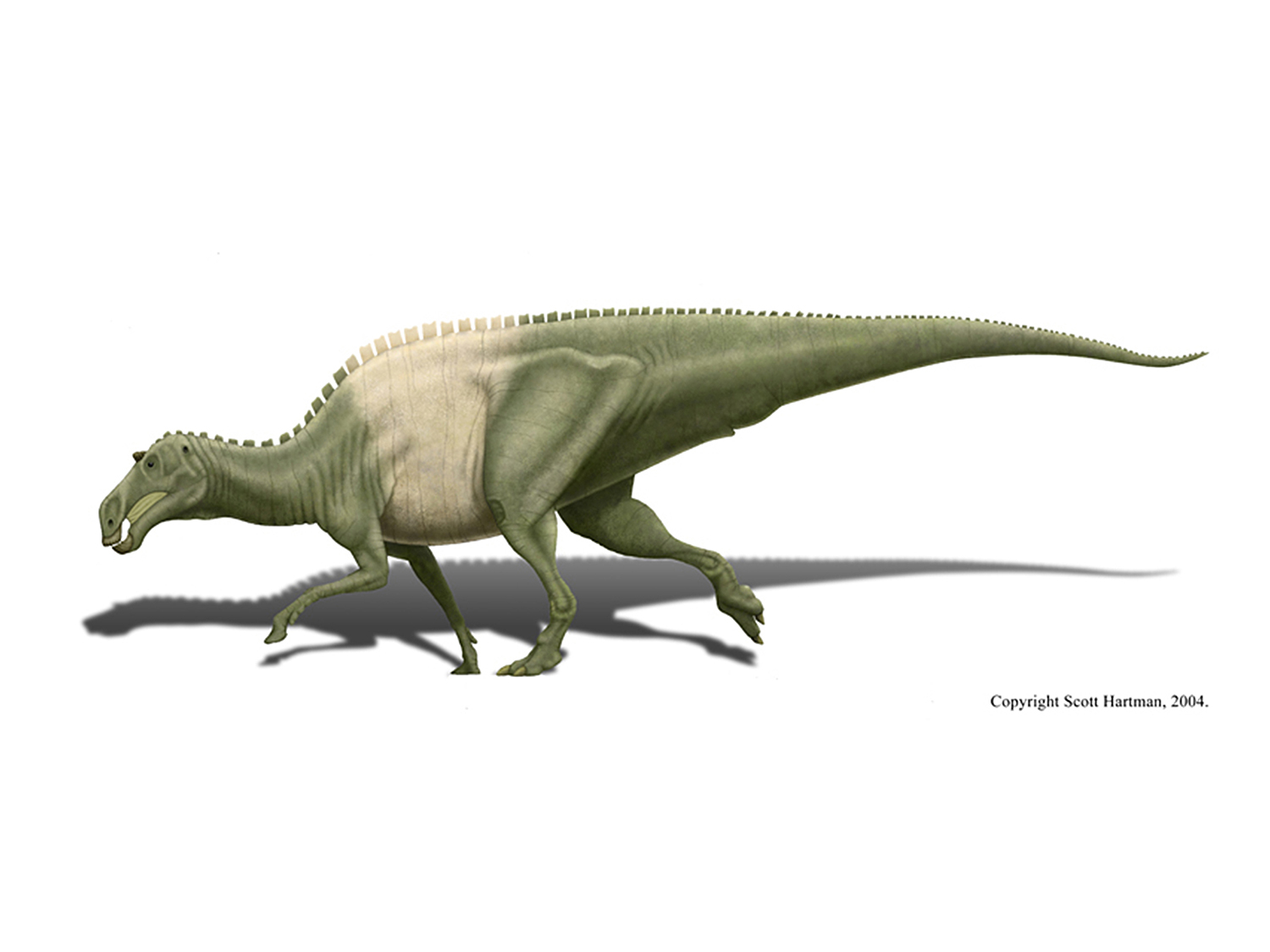
Hartman, S. 2004. Stance and carriage in Brachylophosaurus: Evidence from articulated specimens. Journal of Vertebrate Paleontology, Vol. 24, Supplement to No. 3. pp. 68A
Hartman, S. 2002. Estimating nuchal ligament depth in hadrosaurid dinosaurs: The return of the pencil-necked hadrosaurs? Tate 2002 Field Conference Guide.
Hartman, S. 2000. Primary and caudal feathers as locomotory adaptations in maniraptoran theropods. Journal of Vertebrate Paleontology, Vol. 20, Supplement to No. 3. pp. 47A